
Is the Highland Lynx the Right Cat for You?
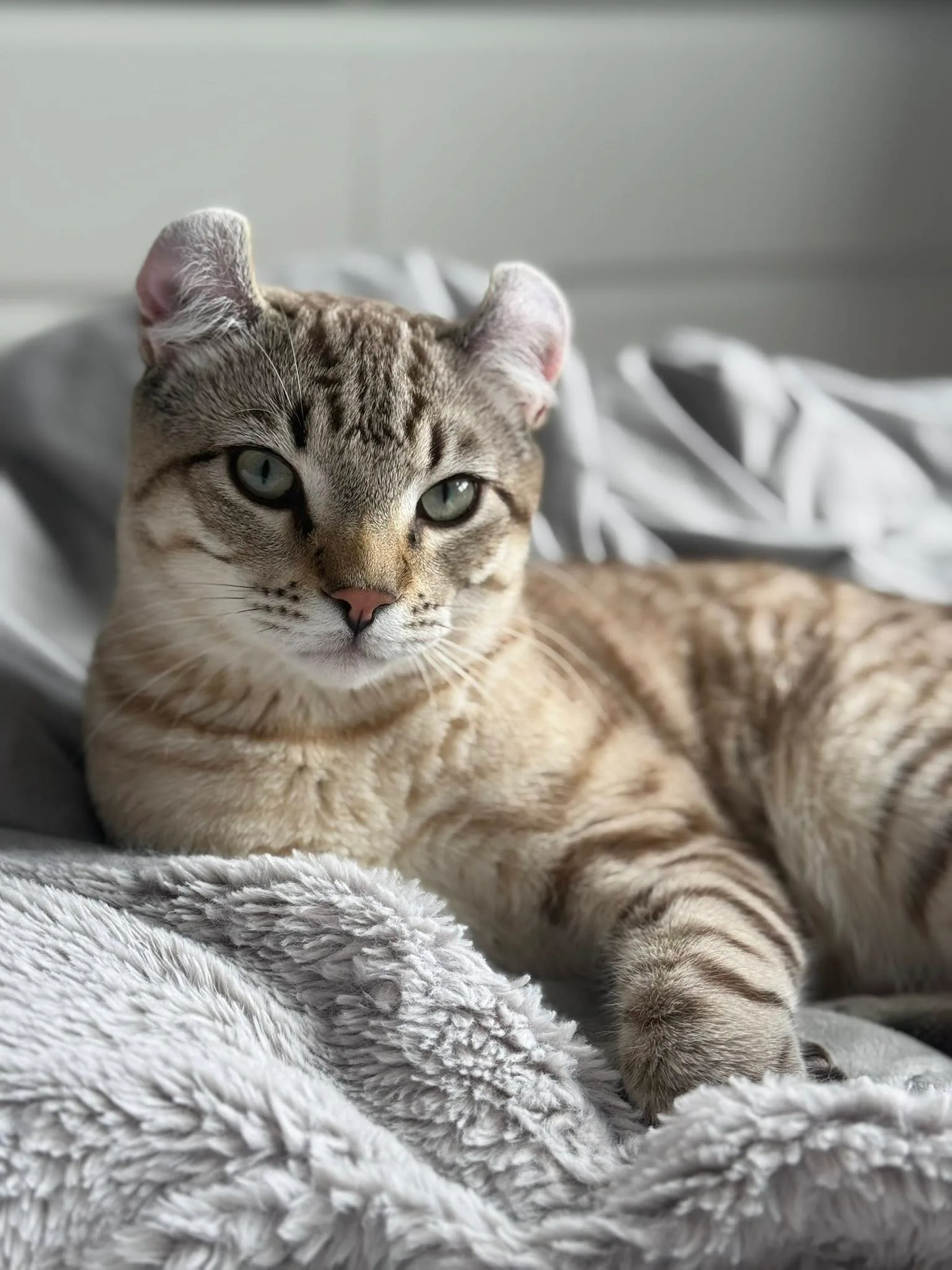
Halfway between a domestic cat and a small wild feline, the Highland Lynx is as intriguing as it is charming. With its curled ears, short (or absent) tail, and large, sometimes polydactyl paws, this extraordinary cat leaves no one indifferent. But beyond its spectacular appearance, the Highland Lynx also has a very particular temperament.
Before falling for this unique companion, take a moment to find out whether this cat is suited to your lifestyle, your home, and your expectations. Here is a complete guide to help you see things more clearly.
A wild look… with a tender heart
While its name evokes the great North American wilderness and boreal forest lynxes, the Highland Lynx is nonetheless a fully domestic cat, bred for its feline appearance while retaining an affectionate, stable character.
This contrast between its mini-leopard look and its behavior as a gentle, human-oriented “dog-cat” is what draws people in. It can appeal to very different profiles: families with children, active couples, or fans of unusual breeds.
But is it the right companion for you? That depends on several criteria.
Do you have an active family life?
The Highland Lynx is sociable, playful, and curious. It loves to interact, chase a ball, watch everything that moves, and… take part in family life as a full-fledged member.
It generally gets along very well with:
- Children (it is patient and playful),
- Other cats (if socialization is done well),
- Dogs (it can even bond with them!).
If you’re looking for a calm, independent cat that sleeps all day, this is probably not the best option. On the other hand, if you want an active, expressive companion, the Highland Lynx could well meet your expectations.
Do you live in an apartment or a house?
Contrary to what its appearance might suggest, the Highland Lynx doesn’t need a garden to be happy. It can live perfectly well in an apartment, provided its environment is enriched:
- Cat tree,
- Interactive toys,
- Tunnel, platforms, window hammock,
- Daily play sessions with you.
It is curious, intelligent, and needs to be stimulated. An empty space with no interaction won’t suit it.
If you have a secured outdoor area (enclosed garden, netted terrace), that’s a plus, but it’s not essential.
Here are more tips for making a cat happy in an apartment: https://www.purina.fr/articles/chat/chaton/accueil/avoir-chaton-en-appartement#:~:text=Un%20chaton%20aime%20s%27installer,d%27un%20radiateur%2C%20etc.
Are you available to spend time with it?
The Highland Lynx is a cat that forms a strong bond with its humans. It likes to follow you around the house, join in your activities, come for cuddles… or simply be near you.
It doesn’t like prolonged solitude. If you’re often away and it has no feline companion or interaction during the day, it can get bored, or even develop anxiety.
This is not a cat to leave alone all day in silence. If you have a very active life but little presence at home, you’ll need to consider a companion animal or another type of pet.
Are you looking for an intelligent, active cat?
The Highland Lynx isn’t just a beautiful, gentle cat. It’s also a sharp-witted feline, capable of learning quickly. Some owners teach it to:
- Fetch a ball,
- Open drawers (sometimes to steal kibble…),
- Walk on a leash,
- Respond to its name.
This intelligence is an asset… as long as it’s channeled. Otherwise, it might turn your living room into an obstacle course!
If you like to interact, play, train, and watch a cat that catches on quickly, this is an excellent choice.
Do you have time to groom it and look after its health?
Good news: the Highland Lynx is a low-maintenance cat that doesn’t require much upkeep.
Grooming:
- Weekly brushing is enough (a bit more if it has a medium-length coat),
- Claw monitoring (especially if it’s polydactyl),
- Regular cleaning of its curled ears.
Health:
It’s a robust breed, with no major known predisposition to date. Like all cats, it must be vaccinated, dewormed, and monitored by a veterinarian.
Are you ready to invest in a rare cat?
The Highland Lynx remains very rare in France. Few catteries offer it, making it a still little-known cat, sought after by connoisseurs.
The price of a Highland Lynx kitten averages between €1,200 and €2,000, depending on:
- Its pedigree,
- Its appearance (well-curled ears, polydactyly, short tail),
- The quality of the cattery.
This cost is explained by rigorous selection, the care provided, and the breed’s rarity in the country.
In summary: is the Highland Lynx right for you?
Here’s a quick recap to help you decide:
| You’ll love this cat if… | This isn’t the right breed if… |
|---|---|
| You like affectionate cats that stay close to you | You want a very independent cat |
| You have time to devote to it | You’re rarely home |
| You’re looking for an original, rare cat | You prefer classic breeds |
| You live as a family or have other pets | You’re looking for a very calm cat |
| You like playing and interacting with your pet | You’re looking for a “decorative,” passive cat |
What now?
If you recognize yourself in this portrait, it’s very likely that the Highland Lynx is the feline companion you need. It’s a loyal, endearing, expressive cat, lacking neither personality nor charm.
Before taking the plunge, take the time to meet a passionate breeder, ask all your questions, and, above all, meet these extraordinary little felines. At The Wild Rendez-vous, we’d be delighted to introduce you to this still too little-known cat in France. our Highland Lynx