
Maine Coon Cat Training
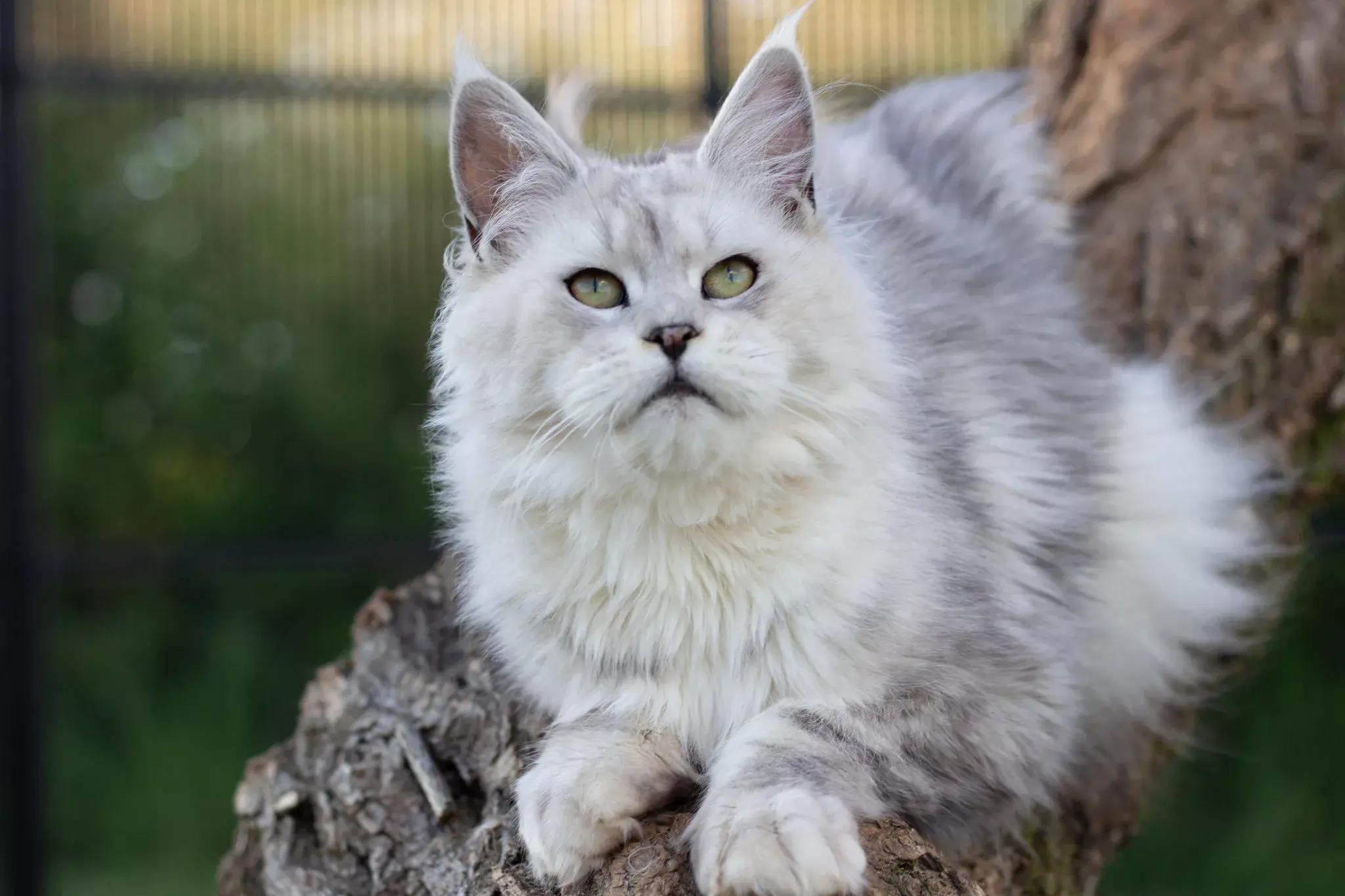
Maine Coon cats are known not only for their impressive size and striking appearance, but also for their sharp intelligence and adaptability. Harnessing these cognitive abilities by providing them with quality training can greatly improve their quality of life. This article explores the benefits of training Maine Coon cats, practical ways to provide mental stimulation, and how to teach basic and advanced commands.
Understanding Maine Coon intelligence
Maine Coons have a reputation for being one of the most intelligent and trainable cat breeds. Their problem-solving abilities and adaptability make them fantastic candidates for learning commands and tricks.
Fun facts about Maine Coons’ intelligence and trainability
To appreciate the impressive intellectual abilities of Maine Coon cats, it’s worth discovering some interesting and fun facts:
-
Maine Coons are agile problem solvers, capable of opening doors, drawers, and even unlocking their carriers.
-
They have excellent long-term memory, which is useful during training. Once they’ve learned a command or trick, they’re unlikely to forget it.
-
Unlike most cats, Maine Coons often have a fascination with water. This unique trait can be leveraged during training and play.
-
Maine Coons can be trained to fetch objects, just like dogs, providing them with both physical exercise and mental stimulation.
-
Known for their wide range of vocalizations, they often use these sounds to communicate with their owners, which can be used during training to better understand their needs and responses.
-
Some Maine Coons use their mouths like hands to explore objects, showing a high level of curiosity.
-
With enough patience and training, some Maine Coons can even learn to use human toilets. This unusual trick requires a good deal of intelligence and adaptability.
-
Beyond simple commands like “sit” or “stay,” Maine Coons can learn complex tricks like high-fiving, spinning in circles, or walking on a leash.
-
Maine Coons are sociable creatures and, with proper socialization training, they can become excellent companions.
-
Every Maine Coon is unique. While some may excel at learning tricks and commands, others may prefer problem-solving games and puzzle toys.
Understanding Maine Coon intelligence
Recognized for their remarkable intelligence, Maine Coons stand out as one of the smartest and most trainable cat breeds. They show innate curiosity and a deep ability to understand their environment. Their sharp mind is always at work, seeking to understand and manipulate the world around them.
What sets Maine Coons apart is their demonstrated ability to solve problems. They have a unique propensity for finding solutions to obstacles or puzzles, whether it’s finding clever ways to reach a favorite perch or solving a complex food puzzle. This natural aptitude reflects their curious nature and mental sharpness, making them wonderful learners.
Their intelligence is also evident in their adaptability. Maine Coons can adapt quickly to new situations, tasks, or environments. If you move to a new home or introduce a new pet into your household, your Maine Coon will likely adjust more quickly than other cats. This ability to cope with change greatly contributes to their ease of learning.
Maine Coons’ learning ability goes beyond simple commands. With patience and the right techniques, they can learn various tasks and tricks that many wouldn’t associate with feline abilities. This can range from using a human toilet to responding to complex voice commands or even performing fun tricks. Approach this learning with patience and understanding, taking into account each cat’s individual personality and pace.
Providing mental stimulation
Maine Coons’ intelligence requires a stimulating environment to keep their minds actively engaged. Mental stimulation is crucial for these cats, as it not only enriches their quality of life but also prevents boredom and the behavioral problems that can result from it.
Interactive toys and playful food dispensers are particularly effective in this regard. These tools engage their problem-solving abilities, entertaining and mentally challenging them. Interactive toys can range from simple balls to feather wands to more complex electronic toys that move or make sounds. Playful food dispensers add an element of challenge to mealtime, requiring the cat to solve a puzzle to access their food. This not only stimulates their mind but also slows down their eating, which can be beneficial for their digestion.
Interactive games also play a crucial role in mental stimulation. This can include chasing a laser pointer, hide-and-seek games, or even training sessions where they learn new commands or tricks. These activities encourage active participation and mental engagement, satisfying their innate curiosity and need for exploration.
A stimulating environment for Maine Coons
Environmental enrichment is another crucial aspect of mental stimulation. Scratching posts allow them to engage in their natural scratching behavior, providing both a physical outlet and a form of territorial marking. Climbing structures cater to their love of heights and provide an excellent form of exercise. Additionally, hiding spots meet their instinctive need for security and privacy, giving them a sense of protection.
Each of these elements helps create a stimulating environment that meets Maine Coons’ intellectual needs. By offering a variety of interactive opportunities, you can keep your Maine Coon’s mind sharp and enrich their life.
Basic commands for Maine Coon training
Training a Maine Coon can be an exciting experience, given their learning ability and willingness to interact. To begin, it’s important to note that cat training relies heavily on positive reinforcement techniques. This means rewarding behaviors you want repeated, rather than punishing unwanted actions. Cats quickly associate behaviors with consequences, and rewarding them with treats, praise, or petting will encourage them to repeat those behaviors in the future.
Basic commands such as “sit,” “stay,” and “come” can be taught to a Maine Coon with patience and consistency. The first step is to get their attention. Using a favorite treat or toy, guide your cat into the position you want them to adopt. For example, if you want to teach them to sit, hold a treat above their head and slowly move it backward. As your cat raises its head to follow the treat, its hindquarters will naturally lower. When your cat is in the desired position, say the command (“sit”) in a clear, calm voice, and reward them with a treat.
Remember that patience and repetition are key. Your Maine Coon may not succeed on the first try, but with consistency and positivity, they’re likely to understand what you expect of them. Also, keep training sessions short and enjoyable, as longer sessions can lead to boredom and distraction.
Advanced training and tricks
Once your Maine Coon has mastered the basic commands, you can explore advanced training and learning tricks. This can range from fun tricks like high-fiving to practical tricks like fetching objects or using the litter box on a specific cue.
When introducing a new command or trick, the process is similar to basic training. For example, to teach your cat to high-five, start by holding a treat in your closed hand and presenting it to your cat. When your cat raises its paw to touch your hand, open it and let them take the treat while saying “high five.”
Training should be a positive experience for your cat. Avoid pushing them too hard or causing them any discomfort. Respect their limits, stay consistent and patient, and always reward good behavior, as this is what motivates your Maine Coon to keep participating in training.
Socializing Maine Coons
Socialization helps Maine Coons develop positive behaviors and learn to interact safely and comfortably with different environments, people, and other animals. The more your Maine Coon is exposed to varied experiences, the more adaptable and confident they become.
When introducing your Maine Coon to new environments or individuals, do so gradually and calmly. Start with short, controlled exposures and increase the duration as your cat becomes more comfortable. Monitor these interactions and give your cat a safe place to retreat if they seem overwhelmed or scared, and reward positive interactions with treats or praise to build their confidence.
Early socialization helps prevent fear or aggression, so exposing a Maine Coon to different experiences from a young age helps them cope with new situations confidently as they grow. It’s never too late to start socializing an adult Maine Coon; the process just requires a bit more patience.
Cat agility and interactive games
Cat agility is an excellent way to engage your Maine Coon’s intellect and agility. This involves setting up an agility course with various obstacles and training your cat to navigate it. Obstacles can include tunnels, jumps, weave poles, and ramps. You can create a course at home using everyday objects or buy a cat agility set.
To train your Maine Coon, start by familiarizing them with the course. Let them explore at their own pace and reward any interaction with the obstacles. Once your cat feels comfortable with the course, you can start luring them through the obstacles using a toy or treat. Remember to make training sessions fun and rewarding, avoiding any form of force or punishment.
In addition to agility training, regular interactive play sessions are also beneficial for Maine Coons. These sessions can range from simple chase games with a laser pointer or wand to more elaborate games involving problem-solving or hunting skills. The key is finding activities your cat enjoys and actively participates in. These activities provide not only mental stimulation but also help keep your Maine Coon physically fit.
Patience and understanding
When training Maine Coons, patience and understanding are crucial. First, every cat is unique, with their own personality, preferences, and learning pace. It’s therefore important to respect these individual differences and adapt your approach based on your Maine Coon’s learning style.
Next, positive reinforcement is key to effective cat training. You should reward desired behaviors and ignore or redirect undesirable ones. Avoid punishment-based training methods, as they can lead to fear, aggression, or even behavioral problems. Instead, focus on creating a positive learning environment and rewarding your cat for their progress.
Finally, remember that raising your Maine Coon isn’t just about teaching them commands or tricks. It’s also about understanding their needs, communicating effectively with them, and building a strong, respectful relationship. By devoting time and attention to this training, you’ll strengthen the unique bond you share with your Maine Coon.
Conclusion
Raising a Maine Coon cat goes beyond teaching commands. It’s about providing mental stimulation, promoting well-being, and deepening the bond between you and your cat.
Investing time in training and mental stimulation prevents boredom and behavioral problems while encouraging your Maine Coon’s natural curiosity and problem-solving abilities. Whether through basic commands, advanced tricks, or agility, patience, understanding, and consistent positive reinforcement make all the difference.
Happy training!