
The Health and Wellness of Maine Coon Cats
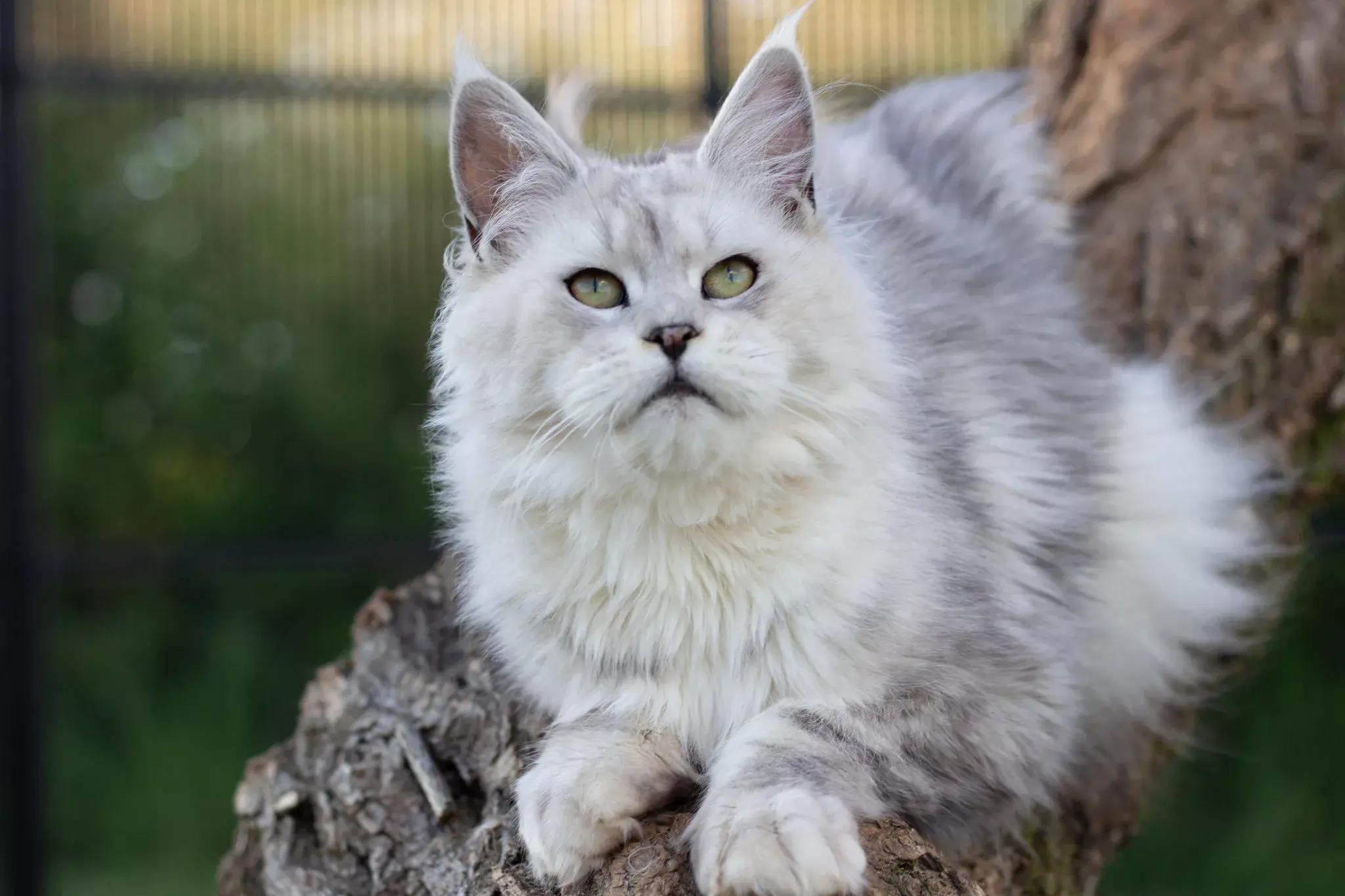
Maine Coon cats, one of the oldest natural breeds of North America, are known for their large size, tufted ears, and plumed tail. Their affectionate nature and playful personality make them favorites among cat lovers. However, preserving the health and wellness of Maine Coons takes more than cuddle sessions. As a Maine Coon owner, understand the common health issues they may face and provide appropriate care to support their longevity and quality of life.
Common health issues in Maine Coon cats
Despite their robust appearance, Maine Coon cats, like all breeds, can be predisposed to certain health conditions, mainly due to their genetic heritage. Some health issues are more common in this breed than in others, notably hip dysplasia, hypertrophic cardiomyopathy (HCM), and polycystic kidney disease (PKD).
Hip dysplasia is a condition in which the hip joint doesn’t fit together properly, causing discomfort and eventually arthritis. Signs can include difficulty moving, reluctance to jump or climb, or even a change in gait. While it can’t be completely prevented, maintaining a healthy weight can significantly reduce the pressure on your Maine Coon’s hips.
Hypertrophic cardiomyopathy (HCM), a form of heart disease, is unfortunately common in Maine Coons. It involves the thickening of the heart muscle, making it harder for the heart to pump blood efficiently. Often there are no visible symptoms until the disease is already advanced, so regular checkups matter for early detection. While HCM can’t be prevented, medication can help manage symptoms and slow the disease’s progression if caught early.
Polycystic kidney disease (PKD) is another hereditary condition in which cysts develop in the kidneys, leading to kidney dysfunction or progressive failure. Early signs can include increased thirst and urination, loss of appetite, and weight loss. Regular blood and urine tests can help detect this disease early, allowing for dietary adjustments and medication to slow its progression.
Learn more about Maine Coon health here – https://www.lacompagniedesanimaux.com/conseil-veterinaire/le-maine-coon.html
Care and maintenance of Maine Coon cats
The health and longevity of Maine Coons don’t depend solely on genetic factors or vet visits. General care and maintenance also play a major role, starting with a balanced diet. Since Maine Coons are larger than average cats, they need more nutrients. Choose a high-quality cat food that is rich in protein and low in carbohydrates. Controlling portions is crucial to prevent overfeeding and obesity, which can lead to other health issues.
Maine Coon nutrition
Good nutrition can have a significant impact on your Maine Coon’s health, longevity, and quality of life. These large cats need a diet rich in quality protein to support their muscle mass, with a moderate amount of fat for energy.
Avoid cat foods that list “meat by-products” or “meat meal” as the primary protein source, and instead opt for those that mention identifiable meat sources (such as chicken, turkey). A small amount of carbohydrates is acceptable, but avoid foods high in carbohydrates, as cats are strict carnivores with a limited ability to metabolize them.
Consider including omega fatty acids in their diet, which support skin and coat health. Some Maine Coon owners also supplement their diet with glucosamine and chondroitin for joint health, especially given this breed’s risk of hip dysplasia.
Maine Coons should have access to clean, fresh water at all times. Some even prefer running water, so it may be worth investing in a cat water fountain.
Feeding kittens
Kittens have higher energy needs, so they should be fed a diet specially formulated for kittens until the age of one year.
Feeding adults
Adult cats need a balanced diet to maintain a healthy weight. Overfeeding can quickly lead to obesity in Maine Coons. Consult your vet to determine the right portions for your adult Maine Coon.
Feeding seniors
Cats’ nutritional needs change with age. Older cats may need a lower-calorie diet that’s still rich in quality protein. They may also benefit from joint health supplements and digestive enzymes to aid nutrient absorption. Always consult your vet before changing your senior cat’s diet or starting a new supplement regimen.
Remember that every Maine Coon is unique, and what works for one may not work for another. Regular vet visits will let you monitor your cat’s weight and overall health, allowing you to adjust their diet as needed.
Hydration matters just as much. Always make sure your Maine Coon has access to clean, fresh water. Some Maine Coons prefer running water, so consider investing in a cat water fountain.
Physical activity is another key part of their care. Maine Coons are playful and energetic, so stimulate them with toys or laser pointers. Regular exercise can prevent obesity and build muscle, reducing the risk of joint problems.
Grooming needs also require attention. Despite their long coat, Maine Coons don’t tangle easily, but regular brushing helps prevent hairballs. Regular teeth cleaning can prevent dental disease and contribute to overall health. Keep the litter box clean to prevent urinary infections.
Exercise for Maine Coons
Exercise keeps your Maine Coon healthy and helps prevent several health issues. Regular physical activity helps maintain a healthy weight, which matters given the breed’s size and predisposition to obesity. Obesity in cats can lead to numerous health problems, such as diabetes, joint issues like arthritis, and a reduced lifespan.
Physical exercise also helps maintain muscle strength and agility, which can prevent injuries and physical problems. Additionally, it aids digestion and helps prevent gastrointestinal issues such as constipation or hairballs.
Maine Coons are known for their playful nature and high intelligence, so choose toys that give them physical exercise and stimulate their minds. Here are some specific toys and cat trees suited to Maine Coons:
Toys:
-
Laser pointers: Perfect for encouraging your Maine Coon to run and jump. Just be careful not to point it directly into your cat’s eyes.
-
Interactive puzzle toys: Toys such as the Petstages Tower of Tracks or the Trixie 5-in-1 Activity Center can stimulate your Maine Coon’s intelligence and satisfy their hunting instincts.
-
Feather toys: Toys such as Da Bird or Cat Dancer mimic the movements of prey, offering both physical and mental stimulation.
-
Fetch toys: Maine Coons are one of the few cat breeds that often love to fetch! Try small balls or mouse-shaped toys for this game.
-
Catnip toys: Many cats love catnip, and Maine Coons are no exception. Toys filled with catnip can provide hours of fun.
Cat trees and climbing structures:
Maine Coons love to climb, and a sturdy cat tree can give them a way to satisfy this instinct while providing good exercise. It’s important to make sure the tree or climbing structure is sturdy enough to support a Maine Coon’s weight and tall enough to satisfy their love of heights.
- FEANDREA Cat Tree: This cat tree features a multi-level design with numerous scratching posts, hideaways, and perches, suited to a Maine Coon’s size and playful nature.
- Armarkat Cat Tree: Armarkat offers a variety of sturdy, durable cat trees. Many models include multiple levels, hideaways, and plenty of scratching surfaces.
- Go Pet Club Cat Tree: These cat trees have a solid reputation for stability and durability. They offer large hideaways and spacious perches that can comfortably accommodate Maine Coons.
- Vesper Cat Furniture: If you’re looking for something more modern and stylish, Vesper offers sleekly designed cat trees. They’re equipped with memory foam cushions, scratching posts, and toys to provide a complete play area.
Discover tips for training Maine Coons
Veterinary care and preventive measures
Regular veterinary care matters for the health of Maine Coons. Following a vaccination schedule helps protect against diseases such as rabies, feline leukemia, and feline panleukopenia. Regular blood tests and screenings can help detect issues such as HCM and PKD early, significantly improving the prognosis.
Parasite prevention also matters. Fleas and ticks aren’t just irritating, they can transmit disease and cause allergic reactions. Regularly applying a vet-approved flea and tick preventive can keep these parasites away. Deworming is another important preventive measure, as worms can cause various health problems, such as diarrhea and weight loss.
Spaying or neutering your Maine Coon can also benefit their health. In addition to preventing unwanted litters, it can prevent certain types of cancer and reduce the likelihood of marking behaviors.
Additionally, microchipping is a simple procedure that can help ensure your Maine Coon’s safe return if they ever wander off.
Vaccination schedule
A proper vaccination schedule protects your Maine Coon against several common infectious diseases. Here is a typical vaccination schedule:
8 weeks: First vaccination against feline panleukopenia (FPV), feline herpesvirus (FHV-1), and feline calicivirus (FCV).
12 weeks: Second vaccination against FPV, FHV-1, FCV, and first vaccination against feline leukemia virus (FeLV).
16 weeks: Third vaccination against FPV, FHV-1, FCV, second vaccination against FeLV, and first rabies vaccination.
Annually: Booster vaccinations against FPV, FHV-1, FCV, FeLV, and rabies.
Remember, this is a general guideline. Your vet will provide a schedule tailored to your cat’s specific needs.
Creating a safe environment
The environment in which a Maine Coon lives has a considerable influence on their well-being. They thrive in an environment that meets their natural instincts, offering scratching posts, climbing structures, and interactive toys for mental and physical stimulation.
Although Maine Coons have strong outdoor instincts, keeping them indoors can protect them from potential dangers such as traffic, predators, and disease. If you have a safe, secure outdoor space, supervised time outside can also be beneficial. Either way, a stimulating indoor environment can meet their natural instincts, keep them active, and reduce the risk of obesity and related health problems.
Monitoring and early detection
Pet owners play a key role in monitoring their Maine Coon’s health. Changes in behavior, appetite, or litter box habits can be early signs of health issues. Regular at-home physical checks, such as looking for unusual lumps or changes in body condition, inspecting the mouth for signs of dental disease, and watching for any behavioral changes, can help identify potential issues early.
Regular vet visits also matter for early disease detection. The vet will conduct a thorough exam, listen to the heart and lungs, check the eyes and ears, and take blood and urine samples if needed. Many conditions are manageable if caught early, leading to better outcomes for your Maine Coon.
At The Wild Rendezvous, we care about your pet’s well-being. That’s why we offer 2 months of health insurance, so you won’t face high vet bills during that period.